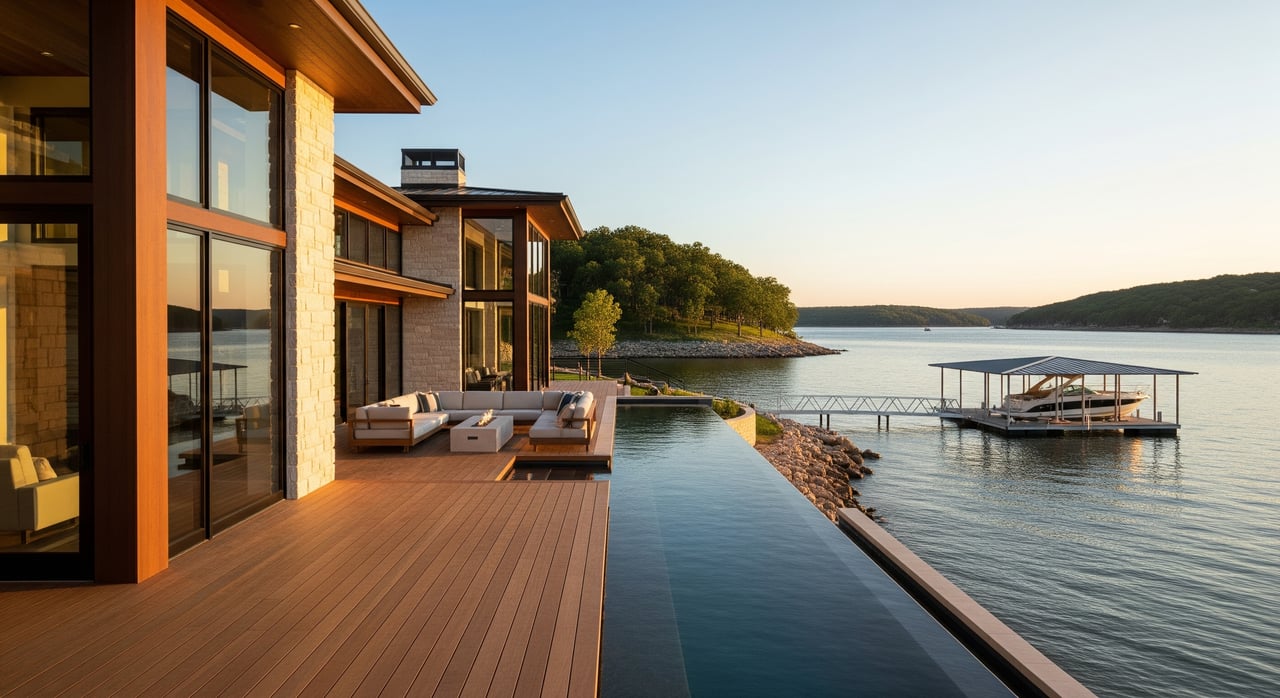
Thinking about a lake place you can slip away to on weekends, share with family, and maybe rent when you’re not there? Osage Beach gives you the Lake of the Ozarks lifestyle with marinas, restaurants, golf, parks, and easy access from much of the Midwest. The key is having a clear plan before you shop so you can buy with confidence. In this guide, you’ll learn how to define your goals, navigate local rules, choose financing and insurance, and follow a step-by-step path to closing. Let’s dive in.
Why choose Osage Beach
Osage Beach sits on the Lake of the Ozarks, a favorite Midwest destination for boating, fishing, and relaxed resort living. You’ll find marinas and boat access, shopping and dining, and nearby golf courses. Lake of the Ozarks State Park adds trails, beaches, and broad outdoor appeal. For many, the draw is simple: enjoy a lifestyle-first second home with the option to generate rental income during peak seasons.
Define your use case
Personal retreat first
If your main goal is personal time at the lake, look for comfort-forward features. Prioritize easy access, a layout that fits your family, and storage for gear. You can still rent occasionally, but you’ll want a setup that makes it simple to lock and leave.
Income-focused short-term rental
If you plan to maximize rental revenue, prioritize guest-friendly amenities. Multiple bedrooms and bathrooms, modern kitchens, good parking, smart locks, and a dock or boat slip can boost bookings. Plan for professional property management and cleaning so turnovers stay smooth.
Hybrid or long-term rental
A hybrid plan blends your personal use with selective rentals. If you prefer stability, a long-term lease may offer steadier income with fewer turnovers. This choice affects furnishings, maintenance schedules, and your management approach.
Know the rules before you shop
Short-term rental rules
Before you fall in love with a home, confirm whether short-term rentals are allowed. Check City of Osage Beach and Camden County rules for licensing or registration, inspections, occupancy limits, and noise or parking standards. If the home sits in an HOA, review the covenants for rental restrictions, dock rules, and guest policies.
Lodging and sales taxes on rentals
If you rent your home for short stays, you may owe local lodging or occupancy taxes and state sales tax on rental receipts. Registration, collection, and remittance are usually required. You may also need a local business license. Build these tasks into your setup plan so you stay compliant from day one.
Property taxes and assessments
Your annual property tax depends on city, county, and special districts. Review parcel history and current assessed values with the Camden County Assessor’s office. It’s smart to estimate taxes, HOA dues, and insurance together so you have a clear annual budget.
Federal tax basics for second homes
How you use the property drives your tax treatment. A pure second home may allow mortgage interest and property tax deductions, subject to current limits. If you rent it, rental income is taxable and eligible expenses may be deductible. The number of personal days versus rental days matters under IRS rules. For strategy decisions like depreciation, passive activity limits, or a potential 1031 exchange, consult a CPA.
Financing your second home
Second-home loans
Lenders treat second homes differently than primary residences. You’ll typically need strong credit, a lower debt-to-income ratio, and a larger down payment. Many buyers put 10 to 20 percent down, and lenders often prefer 20 percent.
Investment property loans
If the property will be primarily rented, lenders may classify it as an investment. Expect at least 20 to 25 percent down, potentially higher interest rates, and reserve requirements. Clarify your intended use early so your pre-approval matches your plan.
Can rental income help you qualify?
Some lenders will not count expected short-term rental income unless you have documented history on tax returns or a signed lease. Policies vary by lender. Get pre-approved with a lender experienced in second homes and investment properties so you know exactly what counts and what does not.
Insurance and lake-specific risks
Home, flood, and wind
Standard homeowner’s insurance covers the dwelling and liability but may exclude floods or have wind and hail limitations. Flood insurance is separate through the National Flood Insurance Program or private carriers. Check FEMA flood maps to see the property’s flood zone and price coverage early in your process.
Coverage for rentals
If you plan to host short-term guests, confirm your policy covers rental activity. Many personal policies exclude business use. Ask your agent about a short-term rental endorsement or a rental policy so you’re protected for guest-related claims.
Docks and shoreline
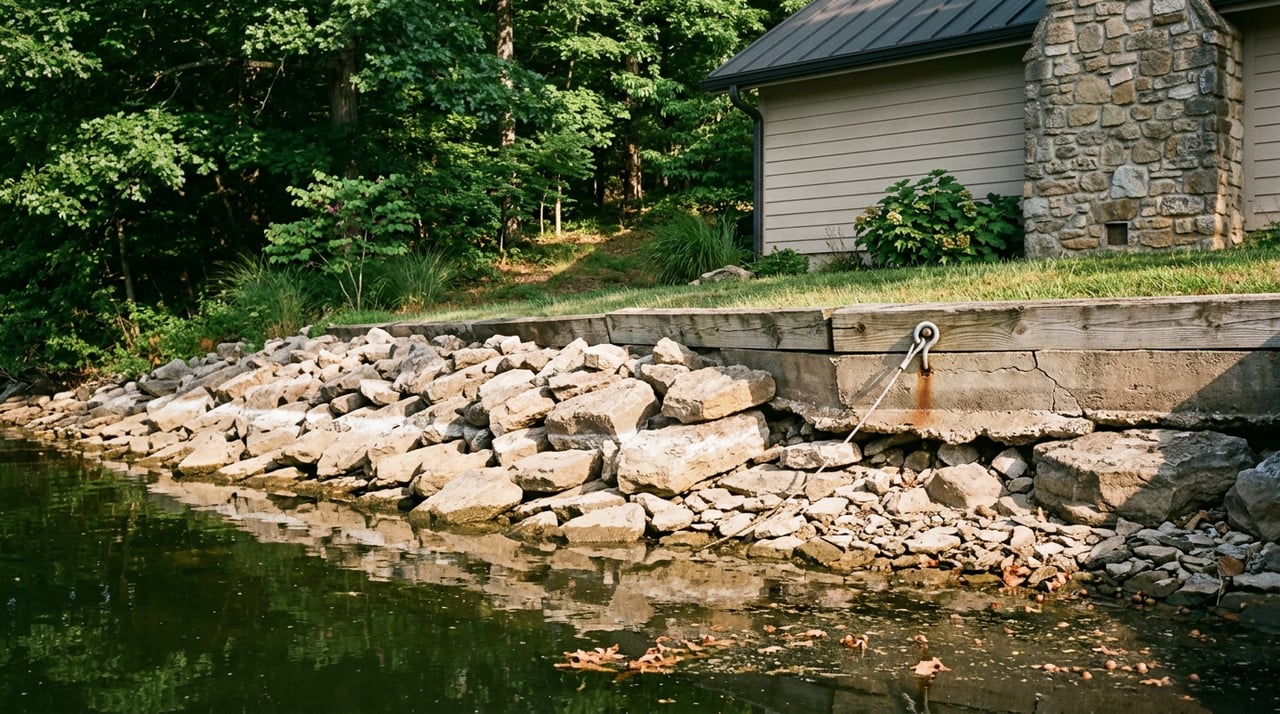
Shoreline improvements, docks, seawalls, and similar features may require permits. Older docks may need inspections or upgrades. Review permitting history and maintenance records during due diligence so there are no surprises.
What to look for in Osage Beach homes
Waterfront vs near-water
Waterfront homes with private docks offer the strongest lake experience and potential rental draw. Confirm dock ownership, condition, and maintenance responsibilities. Near-water homes with community access can offer value and lower upkeep, but verify how guests access the water.
Access and utilities
Check for year-round road access, parking for boats or trailers, and reliable utilities. Learn whether the home uses city sewer or a septic system, and whether water is municipal or well. Ask about internet options and winterization needs if you plan shoulder-season use.
Layout and amenities
More bedrooms and bathrooms increase flexibility for guests and family. Outdoor spaces, safe pathways to the dock, and gear storage make lake days easier. If you plan to rent, thoughtful details like durable flooring and easy-to-clean surfaces cut turnover time.
HOA rules to review
If there is an HOA, read the rules closely. You’ll want clarity on rental caps, parking and noise policies, dock usage, and exterior changes. Good HOA communication makes ownership smoother.
Ownership and operations
Maintenance and seasonality
Lake homes need seasonal care. Plan for winterization, spring recommissioning, dock upkeep, lawn care, pest control, and periodic systems checks. A small maintenance plan now prevents costly repairs later.
Turnovers and management
Short-term rentals require reliable cleaning, linens, trash service, and guest support. Full-service management often runs 20 to 40 percent of rental revenue, depending on services. If you live out of the area, professional help can protect your time and reviews.
Safety and guest experience
Install and maintain smoke and CO detectors, and post emergency contacts. Provide clear instructions for parking, trash, and quiet hours. If you offer dock or boat access, keep life jackets on hand and share water safety guidance.
Your step-by-step buying plan
- Clarify goals and budget
- Decide on personal use vs rental priorities and set a comfortable budget that includes down payment, closing costs, furnishings, and reserves.
- Get pre-approved
- Choose a lender experienced in second homes or investments so your pre-approval aligns with your intended use.
- Explore neighborhoods and property types
- Compare waterfront vs near-water options, condos vs single-family, and dock or slip availability.
- Confirm rules and taxes
- Review city and county short-term rental requirements, HOA policies, and lodging and sales tax obligations. Verify parcel-level property taxes and any special assessments.
- Tour homes and analyze comps
- Evaluate comparable sales, seasonality, and if renting, expected nightly rates and occupancy by season.
- Write a strategic offer
- Include contingencies for inspections, financing, appraisal, HOA document review, and rental rule confirmation.
- Inspect thoroughly
- Order a whole-home inspection plus specialized inspections for dock or seawall, septic or well, moisture, and pests.
- Check environmental and insurance
- Review FEMA flood maps and get quotes for homeowners, flood, wind, and rental liability coverage.
- Finalize financing and title
- Complete the appraisal, title search, and owner’s title insurance. Confirm shoreline rights, easements, and dock permits.
- Close and set up operations
- Transfer utilities, secure local licenses or tax registrations if renting, install smart locks, and line up cleaning and management.
Typical timeline
- Days 0 to 14: Research, lender pre-approval, and property tours.
- Offer period: Negotiate terms and sign the purchase agreement with key contingencies.
- Days 7 to 30 after contract: Inspections, appraisal, flood and title review, insurance quotes.
- Closing: Final loan approval, insurance in place, and closing documents.
- Post-closing: Register for any required lodging and sales taxes if renting, then launch your management plan.
Local pros to have on your team
- Local real estate agent who understands Lake of the Ozarks second homes and short-term rentals.
- Mortgage lender with second-home and investment experience.
- Insurance agent who works with waterfront, flood, wind, and STR policies.
- Licensed home inspector plus a dock or seawall specialist.
- Real estate attorney for complex title, shoreline, or easement issues.
- CPA or tax advisor for rental income, deductions, and planning.
- Property manager with local STR expertise.
Ready to explore Osage Beach?
You deserve a clear plan and a home that fits how you want to live and play at the lake. I specialize in Osage Beach second homes and can help you confirm rules, analyze rental potential, and negotiate with confidence from your first tour to your first sunset on the dock. If you’re ready to move from planning to action, let’s talk. Schedule your Lake Lifestyle Consultation with Amanda Greenwood.
FAQs
Can you get a mortgage for a second home in Osage Beach?
- Yes. Lenders offer second-home loans, but you typically need strong credit and a larger down payment than a primary residence, often 10 to 20 percent.
Are short-term rentals allowed in Osage Beach condos and homes?
- Possibly, depending on city and county rules and any HOA restrictions; confirm licensing, inspections, and occupancy limits before you buy.
Do Osage Beach lake homes need flood insurance?
- If a lender requires it due to flood zone designation, you must carry it, and even outside high-risk zones many owners choose flood coverage for added protection.
What ongoing costs should Osage Beach second-home owners budget?
- Plan for property taxes, homeowners and flood insurance, utilities, maintenance, dock care, HOA dues if applicable, management fees, and lodging or sales tax remittance if you rent.
What pitfalls do out-of-area Osage Beach buyers face?
- Common issues include underestimating maintenance and management costs, missing STR or HOA rules, inadequate insurance for flood or rentals, and not verifying dock ownership and permits.