Is the lake calling, but you are torn between a true waterfront home and a place near the water in Osage Beach? You are not alone. Many buyers weigh daily lake access against budget, upkeep, and rental goals. In this guide, you will compare what each option delivers, understand permits and costs, and leave with a simple framework to decide with confidence. Let’s dive in.
Waterfront vs near-lake: what you get
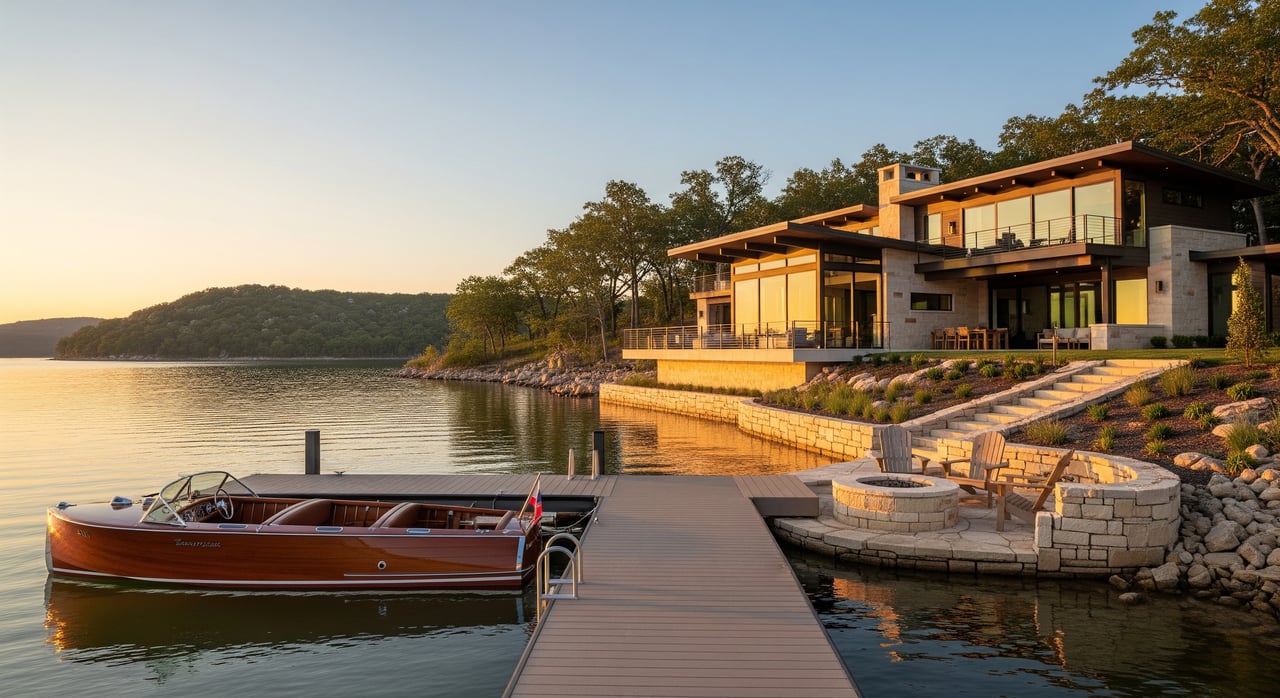
Waterfront living puts the lake at your back door. You can step onto your dock, launch at a moment’s notice, and host by the shoreline. If the property includes a licensed private dock, convenience and resale appeal are often strongest.
Near-lake or second-tier homes trade direct water access for lower purchase price and less maintenance. You still enjoy the lake lifestyle with a short walk, golf cart ride, or quick drive to a marina, public ramp, or community dock. Many buyers also find more privacy and reduced boat noise away from the shoreline.
Seasonal activity matters in Osage Beach. Summer brings tourism, more boat traffic, and fuller marinas. Waterfront owners feel that activity more, while near-lake owners often experience quieter evenings with easy access when they want it.
Access types to clarify
Not all “on the lake” situations are the same. Ask which scenario applies before you fall in love.
- Private waterfront with a licensed dock. Highest convenience and typical resale strength.
- Private waterfront without an existing dock. You own to the water’s edge but must pursue permits and construction.
- Shared or community dock in an HOA. You have boat access with rules, possible wait lists, and fees.
- View lots with no shoreline rights. Lake views without legal access for a private dock.
- Near-lake or second-tier. Off the water but close to marinas, ramps, or shared docks.
Permits, rights, and rules
Understanding who controls what will save you time and surprises later.
Dock licensing on Lake of the Ozarks
Dock locations and licenses are typically regulated by the lake operator. You should verify whether the existing dock has a current, transferable license and whether any ongoing license fees apply. If you plan to add or modify a dock, expect a permitting process, inspections, and rules on size and features.
Shoreline ownership vs use rights
Owning to the water’s edge does not guarantee all use rights. Recorded easements, community rules, and shoreline policies can limit structures or access. Confirm what the deed grants, what the subdivision allows, and what the lake operator permits.
City vs county and utilities
Parts of Osage Beach have municipal water and sewer, plus local permits and ordinances. Many properties outside core city limits rely on private wells and septic systems, with county-level permits. Know which jurisdiction you are in, which codes apply, and the status of utility connections or septic condition.
Flood maps and lake operations
Flood risk is a real factor around the lake. Lenders may require flood insurance if the home sits in a mapped flood zone. Ask about the property’s FEMA designation, typical seasonal lake-level changes, and any history of drawdowns that could affect dock usability.
Money matters: price, upkeep, and insurance
Waterfront homes typically command a premium. The exact amount depends on frontage, dock setup, view, lot slope, and proximity to conveniences. Near-lake homes often deliver more square footage per dollar and can broaden your resale buyer pool.
Financing and appraisal
Appraisals rely on comparable sales. That can be tricky if there are few recent waterfront comps nearby. Lenders also weigh flood risk, shoreline access issues, and HOA or condominium rules if a community dock is involved.
Maintenance and exposure
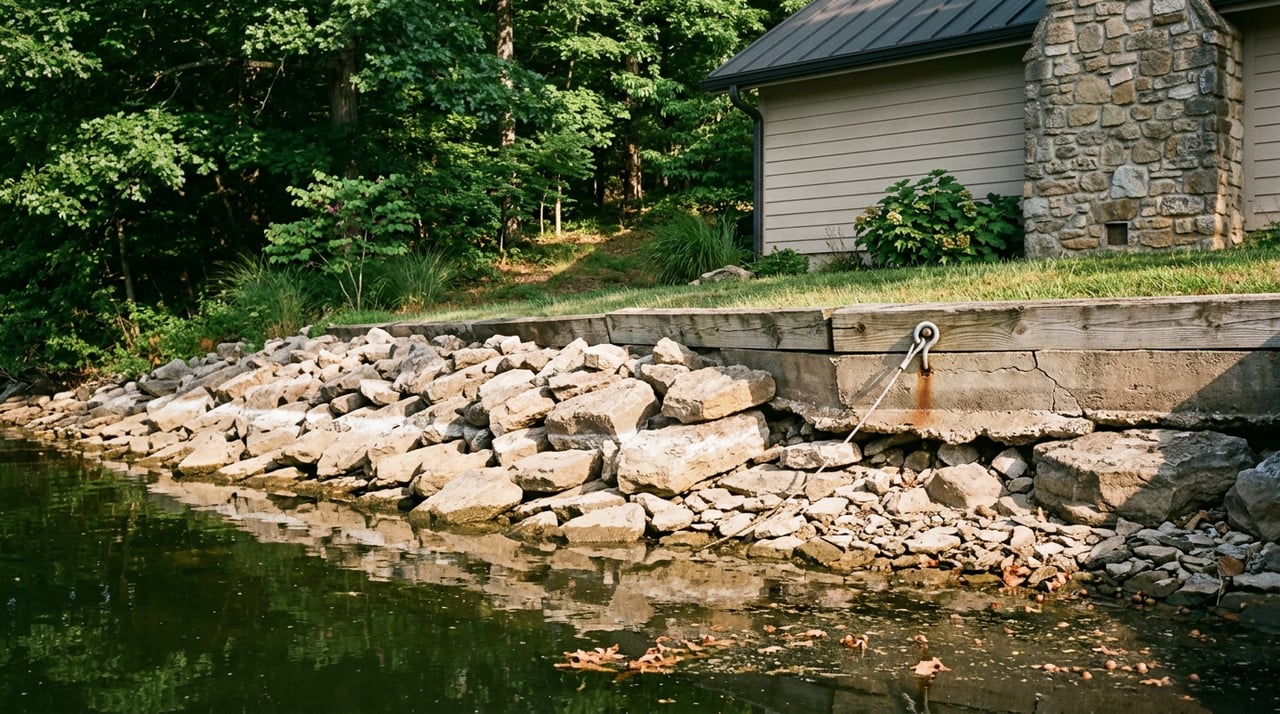
Waterfront living brings added upkeep. Common items include dock and mooring repairs, flotation replacements, and winterizing. Shoreline stabilization like riprap may need periodic attention. Exterior surfaces near open water can see more sun, moisture, and pest exposure, which means more frequent care.
Near-lake owners avoid dock upkeep but still maintain typical home systems. If you plan to use a marina slip or community dock, budget for those fees instead of private dock maintenance.
Insurance and liability
Properties near the shoreline can face higher exposure to wind, storm, or hail. Homes in mapped flood zones may require flood insurance, which adds to carrying costs. Private docks and boathouses also create liability considerations, so review coverage with your insurer and consider umbrella protection if you own watercraft.
HOA, dock, and marina fees
If your property uses a community dock, review association rules, fee schedules, and the health of reserve funds. Some homes rely on leased marina slips. Confirm lease terms, transferability, and availability before you write an offer.
Short-term rental outlook
Waterfront properties often attract strong short-term rental demand, especially in peak season. They also face higher operating costs and closer scrutiny under local rules. Osage Beach requires lodging tax compliance and has short-term rental regulations. If rental income is part of your plan, verify current city requirements, subdivision rules, and any caps on occupancy or parking.
Decision framework: choose with confidence
Use this quick exercise to align your choice with your lifestyle and budget. Rate each factor from 1 to 5, where 1 is must-have and 5 is not important.
- Immediate private water access for boating and water sports
- Privacy from tourist and boating activity
- Willingness to manage dock and shoreline maintenance
- Tolerance for insurance and storm exposure
- Budget ceiling and financing flexibility
- Desire for rental income vs private use
- Preference for municipal utilities vs septic and well
- Proximity to shopping, healthcare, and highways
Then total your scores for each path:
- If private access, on-water entertaining, and frequent boating score as must-haves, a true waterfront with a licensed dock likely fits.
- If cost, privacy, and lower upkeep matter most, a near-lake home with reliable marina access can be the sweet spot.
- If rental income is a priority with minimal maintenance, near-lake with a community-managed dock or leased slip can balance guest appeal and owner simplicity.
Due diligence checklist for showings
Bring these questions to every property tour.
- Is there a current dock license, and is it transferable? What are the ongoing fees?
- Is the home inside City of Osage Beach limits or in Camden County? Which permits and utilities apply?
- What is the FEMA flood map designation for the structure and lot? Will the lender require flood insurance?
- Are there recorded easements or shared access agreements affecting shore access or paths to the dock?
- What is the dock’s age, type, and condition? Any recent repairs, flotation updates, or electrical work?
- Are HOA rules in place for docks or rentals? Any recent or upcoming special assessments?
- What shoreline stabilization exists, and were permits obtained for riprap or seawalls?
- Are short-term rentals allowed today, and what licensing or taxes apply?
- What is the utility setup? If on septic, what is the age, capacity, and inspection history?
- How busy is the cove or channel in summer compared with winter? How does that affect noise and wake?
- How do typical seasonal lake-level changes affect the dock’s usability at this address?
Near-lake strategies that work
If you lean near-lake, here are simple ways to keep boating easy without a private dock.
- Lease a slip at a close marina so your boat stays ready while you skip dock upkeep.
- Choose an HOA with a well-managed community dock and clear usage rules.
- Focus on homes with golf cart or short-walk access to ramps or docks.
- Budget for secure storage of water toys and trailers, since you are not storing them on a private dock.
Real-world outcomes
- Buyer A wants daily water time and waterfront hosting. They are comfortable with dock maintenance and higher insurance. A true waterfront home with a licensed dock fits best.
- Buyer B wants lower purchase and ongoing costs plus quick access to dining and shopping. They are fine using a marina slip. A near-lake home offers strong value.
- Buyer C wants rental potential but prefers less hands-on upkeep. A near-lake home with a leased slip or community dock balances guest appeal with simpler ownership.
Your next steps in Osage Beach
Before you make an offer, confirm dock licensing with the lake operator, check city or county permit paths, pull FEMA flood data for insurance planning, talk with local marinas about slip options, and get insurance estimates for the specific address. Local verification protects your budget and timeline.
If you would like tailored guidance, I am here to help you align lifestyle goals with on-the-ground due diligence. I pair deep Lake of the Ozarks expertise with responsive, boutique service, supported by the CENTURY 21 network. As a lake specialist with RSPS, MRP, AHWD, and SFR experience, I will help you compare options, model costs, and negotiate with confidence.
Ready to explore lakefront and near-lake homes the smart way? Schedule your Lake Lifestyle Consultation with Amanda Greenwood.
FAQs
What is the key difference between waterfront and near-lake in Osage Beach?
- Waterfront offers direct shoreline and potential private dock access, while near-lake homes rely on a short walk or drive to marinas, ramps, or community docks.
How do dock licenses work on Lake of the Ozarks?
- Dock locations and use are typically licensed by the lake operator; verify that any existing dock has a current, transferable license and ask about ongoing fees and rules.
Can I add a dock to a waterfront lot without one?
- Possibly, but you will need approvals, permits, and inspections; allowable size, placement, and features depend on current rules and the specific location.
Do I need flood insurance for a waterfront home in Camden County?
- If the structure is in a mapped FEMA flood zone, lenders may require flood insurance; confirm the property’s designation and get premium estimates early.
What maintenance should I budget for a private dock?
- Expect periodic structural repairs, flotation and decking updates, electrical checks, and winterizing; exact costs vary by dock type, age, and lake conditions.
Are boathouses or covered docks allowed at Lake of the Ozarks now?
- Rules for enclosed or covered structures can change; confirm current allowances with the lake operator and any applicable city or county offices.
How do HOA or community docks affect financing and use?
- Lenders may review HOA documents, dues, and rules; usage can involve fees, wait lists, and restrictions that you should understand before closing.
What should I check about utilities for lake-area homes?
- Confirm whether the home has municipal water and sewer or relies on well and septic, and review any required inspections or permits for those systems.
Are short-term rentals allowed in Osage Beach?
- Short-term rentals are regulated locally; confirm current city registration, lodging tax requirements, and subdivision or HOA rules for a specific address.
If I buy near-lake, how hard is it to find a marina slip?
- Availability is seasonal and location specific; contact nearby marinas early to confirm slip sizes, wait lists, fees, and transfer options.