Thinking about a Lake Ozark condo but not sure what the monthly dues really cover? You are not alone. Condo fees can feel confusing, especially around docks, insurance, and reserves that are common on the lake. In this guide, you will learn what fees typically include, what they do not, why they vary so much, and which documents to review before you buy or sell. Let’s dive in.
What condo fees are and why they matter
Condo fees are monthly or quarterly charges set by the association to run and maintain the community. You pay them in addition to your mortgage and property taxes. Fees fund daily operations and contributions to a reserve fund for major future replacements.
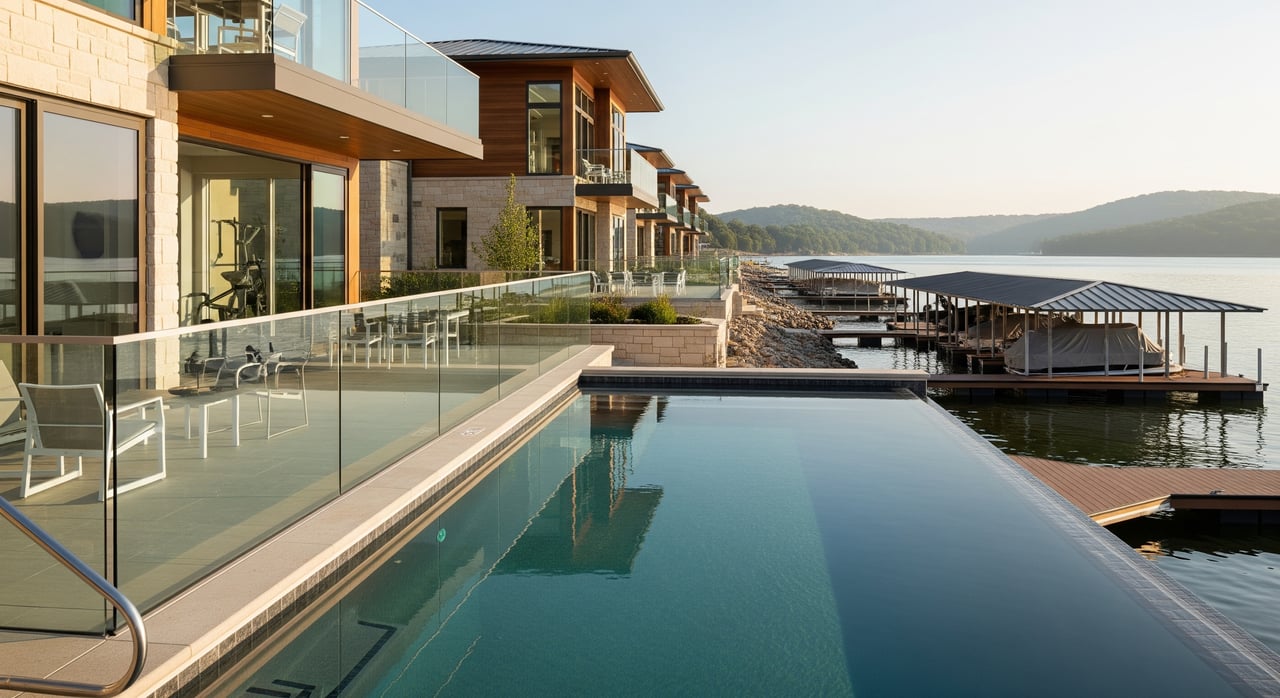
At Lake Ozark, fees also help cover lakefront elements like docks and seawalls that require ongoing attention. Understanding the fee breakdown helps you budget accurately and avoid surprises like special assessments when reserves fall short.
What fees typically cover
Condo fees usually include a mix of operating expenses and long-term capital planning. Expect meaningful variation based on age, size, amenities, and whether utilities are included.
Operating expenses
- Property and common-area insurance under the association’s master policy for shared elements and liability
- Common-area utilities such as water, sewer, gas, and electricity for lighting and amenities; sometimes water and sewer for individual units are included
- Building and grounds maintenance like exterior painting, roof repairs, siding, elevators, shared HVAC, pest control, and parking areas
- Landscaping and irrigation, with lakeside erosion control as needed
- Snow and ice removal for roads, stairs, and docks during winter freeze-thaw cycles
- Trash and recycling service for dumpsters or centralized pickup
- Security and lighting, including gates, cameras, and patrols in some communities
- Management fees for professional association management and onsite staff where applicable
- Administrative and professional costs such as legal, accounting, and tax preparation
- Minor repairs and supplies for common areas
Reserves and capital projects
- Ongoing reserve fund contributions for major components like roofs, decks, docks, elevators, parking lots, seawalls, and siding
- Larger, periodic projects that are planned or urgent; if reserves are insufficient, the board may levy a special assessment
Lakefront-specific costs
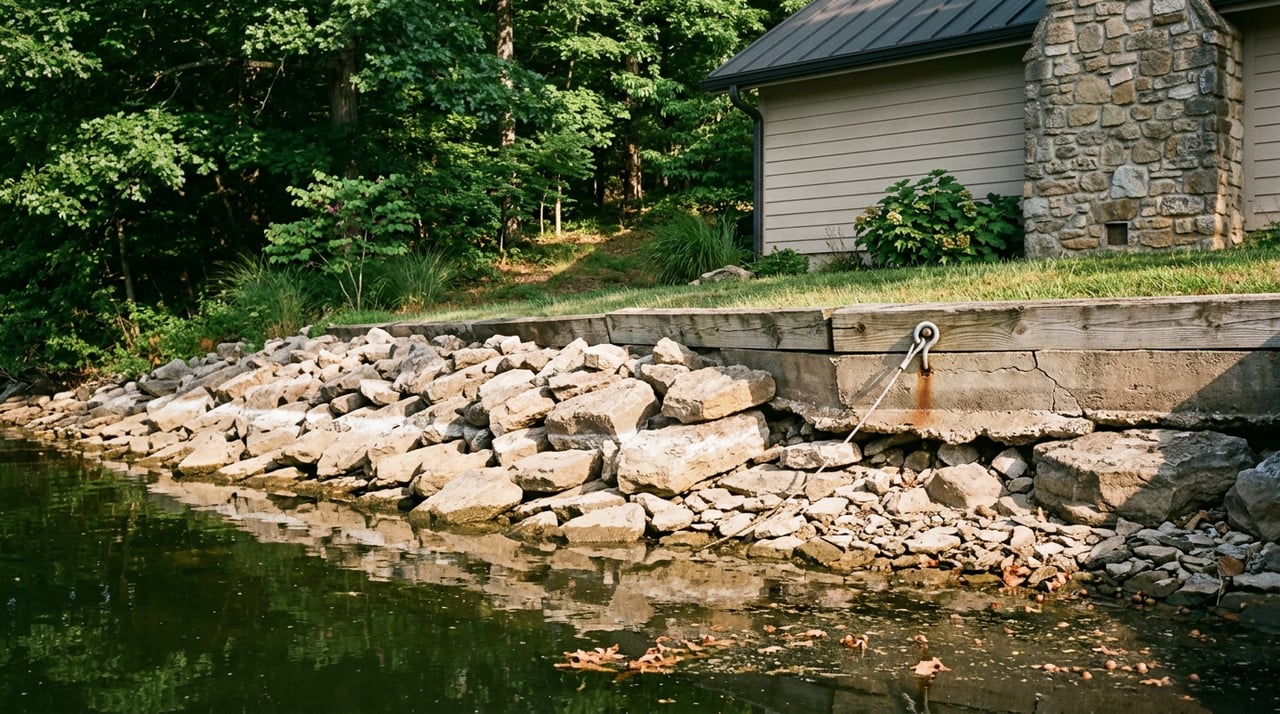
- Maintenance and replacement for docks, boat slips, seawalls, and bulkheads
- Insurance and liability coverage related to common docks
- Winterizing and seasonal opening of water lines and irrigation, plus boat lift upkeep
- Shoreline erosion mitigation, engineering, and permitting where required
- Potentially higher wind, hail, or flood-related insurance premiums compared to inland properties
What fees usually do not cover
Your monthly dues rarely cover items inside your unit. Plan for these separate costs:
- Interior repairs, finishes, and personal property; most owners carry an HO-6 policy
- Individual property taxes paid to Camden County
- Your mortgage payment
- Utilities billed directly to the unit if not listed as included
- Optional services such as private storage or reserved parking unless specified
Why fees vary at Lake Ozark
No two communities are alike. Fees differ based on:
- Age and condition of buildings, docks, and seawalls
- Amenity packages such as pools, elevators, fitness rooms, gates, and staff
- Insurance needs for lakefront exposure and dock liability
- Whether utilities are included or billed to owners
- Professional management versus volunteer administration
- Reserve funding levels and upcoming capital projects
How boards set, raise, and collect fees
Association boards, often with a professional management company, adopt budgets and set regular assessments under the declaration and bylaws. Best practice is to follow a professional reserve study that outlines future replacements and annual funding targets. Boards can increase regular fees and, if necessary, issue special assessments according to the governing documents and state law. Associations can charge late fees, place liens for delinquencies, and pursue collection actions if owners do not pay.
Buyer due diligence checklist
Before you commit, request and review:
- Most recent annual operating budget and year-to-date budget versus actuals
- Latest reserve study and current reserve fund balance statements
- Board meeting minutes for the last 12 to 24 months
- Master insurance policy declarations, including coverage types, deductibles, and limits; confirm whether flood coverage exists for common elements
- Estoppel or resale certificate showing current fees, any special assessments, and payment status
- Governing documents: declaration, bylaws, rules and regulations, and any public offering statement
- Management contract terms and fees if a management company is engaged
- List of recent major repairs, pending projects, and related invoices
- Any pending or threatened litigation involving the association
- Pet rules and rental or short-term rental policies
- Dock and boat slip rules, permit status, fees, and any waitlists
- Utility billing policies and which utilities are included
Red flags to watch for
- Low or no reserves paired with an aging building or deferred maintenance
- Frequent or large special assessments in recent years
- High owner delinquency rates that strain cash flow
- Pending association litigation
- Insurance gaps, like no flood coverage where risk exists, or low liability limits
- Rental restrictions that do not match your plans
- Visible neglect of common areas or inconsistent record-keeping
Smart cost checks and quick math
- Translate dues to annual cost by multiplying the monthly fee by 12. Add your estimated HO-6 premium and property taxes for a clearer total cost picture.
- If a special assessment is active or announced, divide the total by the number of months you expect to pay it. This gives you an effective monthly cost to compare across properties.
Local checks in Lake Ozark
- Review FEMA flood mapping for the property and verify whether the association or unit owner maintains flood insurance if applicable
- Confirm property tax details with Camden County and check for any special assessments
- Ask about City of Lake Ozark or county short-term rental licensing and rules
- For properties with docks, review permitting, inspection history, and recent repair records
Selling a condo? Prep ahead
If you are listing your condo, gather key documents early to keep your sale moving:
- Most recent budget, reserve study, and master insurance declarations
- Board minutes for the last year or two, plus a summary of major projects
- Estoppel or resale certificate with current fee amounts and any special assessments
- Updated governing documents and any amendments
- Dock and slip rules, plus utility inclusion details Having these ready helps buyers feel confident and can reduce delays.
Next steps
Condo fees at Lake Ozark make more sense once you see how operations, insurance, reserves, and lakefront infrastructure fit together. If you want help comparing associations, reviewing documents, or estimating true monthly costs, I am here to guide you. Reach out to Amanda Greenwood to talk through your goals and next steps.
FAQs
Are Lake Ozark condo fees the same everywhere?
- No. Fees vary by age, amenities, insurance needs, reserve funding, and whether utilities are included.
Do Lake Ozark condo fees include property taxes?
- Generally no. Property taxes are paid separately to Camden County.
Does the master insurance policy cover my unit interior?
- Typically not. The master policy covers common elements and liability. Most owners carry an HO-6 policy for interiors and personal property.
Who pays for dock and boat slip repairs in a condo community?
- If docks or slips are common elements, the association funds repairs through dues and reserves. If individually owned, the slip owner is responsible.
Can my board raise fees or issue a special assessment?
- Yes. Boards can increase regular assessments and levy special assessments as allowed by the governing documents and state law.
What is a reserve study and why should I care?
- A reserve study lists major components, their remaining life, and replacement costs, then recommends annual funding to limit unexpected assessments.
What should I review before buying a Lake Ozark condo?
- Request budgets, reserve study, insurance declarations, board minutes, governing documents, estoppel or resale certificate, rental rules, and dock policies.
Are short-term rentals allowed in all Lake Ozark condos?
- Not always. Rules vary by association and local ordinance. Confirm rental policies and any fees or restrictions before you buy.