Thinking about a place at Lake of the Ozarks and torn between an HOA home and a condo? You are not alone. Each option fits a different lifestyle, budget, and risk profile, and those differences matter even more on the lake. By the end of this guide, you will understand ownership, costs, financing, insurance, rental rules, and the due diligence steps that protect you in Lake Ozark. Let’s dive in.
HOA vs. condo basics in Lake Ozark
How ownership works
- Condo: You own the interior of your unit and share ownership of common elements with all owners. Common elements often include exterior walls, roofs, parking areas, docks, elevators, and recreational facilities. A condo association manages these under recorded documents and bylaws.
- HOA single-family or townhome: You own the home and the lot in fee simple. The HOA enforces covenants and manages shared amenities or common grounds. Exterior maintenance of your home is usually your responsibility unless stated otherwise in the CC&Rs.
Who maintains what
- In a condo, the association typically handles building exteriors and shared systems. That central management can streamline big repairs and planning.
- In an HOA neighborhood, you handle your roof, siding, and exterior systems. The HOA maintains common areas like entry landscaping, interior roads, and amenities.
What dues usually cover
- Condo dues often include building exterior maintenance, master insurance, common-area upkeep, shared utilities for multi-unit buildings, and reserve contributions for future projects.
- HOA dues typically cover common-area maintenance and amenities. They can be lower than condo dues because owners pay for their own exterior upkeep and insurance.
Money matters: dues, reserves, assessments
Condo dues and reserves
Condo dues may look higher at first glance, but they usually include more services. The key is the reserve fund. For condos, major items like roofs, siding, elevators, and dock structures depend on strong reserves. Underfunded reserves can lead to special assessments that surprise owners. Ask for the current budget, recent financials, and the most recent reserve study.
HOA dues and home expenses
For single-family homes in HOAs, dues are often lower. You carry the cost of exterior maintenance, roof replacements, and utilities directly. Budget for these long-term items. Compare the HOA’s amenity package and common-area care against the dues to see if it matches your lifestyle and expectations.
Special assessments and red flags
Any association can levy special assessments to cover big projects or insurance gaps. Red flags include missing or outdated reserve studies, repeated special assessments, deferred maintenance in visible areas, and meeting minutes that hint at unresolved repairs or litigation. Review the last 12 to 36 months of board minutes and the planned project list.
Financing in a resort market
Condo warrantability explained
Lenders classify condos by project eligibility. They look at owner-occupancy ratios, single-entity ownership concentration, reserves, litigation, and more. If a condo project is not warrantable, your financing options may narrow to specialty lenders or different loan products. This affects rates, down payments, and timelines. Start your lender conversations early when a condo is on your shortlist.
Loans for HOA homes
Financing a single-family home in an HOA is more like any standard detached home loan. Lenders still consider dues and assessments in your debt-to-income review, but they do not have to approve the entire project like they do for condos.
FHA, VA, and other programs
Government-backed programs can be an option for both property types. Many condo projects need specific approval for these programs. Requirements change over time, so verify current guidelines with a local lender that regularly finances Lake of the Ozarks properties.
Insurance and lake hazards
Condo insurance basics for unit owners
Condo associations carry a master policy that typically covers the building shell and common areas. As an owner, you usually need an HO-6 policy for interiors, personal property, liability, and loss assessments. Confirm whether the association’s master policy is bare walls or a broader form. That detail affects your coverage limits.
Single-family homeowners and HO-3 coverage
For HOA-governed homes, you carry a standard homeowners policy, often an HO-3, that covers the structure and your personal property. The HOA’s policy, if any, typically covers only shared amenities and common areas.
Flood risk on the lake
Shoreline and low-elevation properties around Lake of the Ozarks may fall in FEMA-designated flood zones. Lenders may require flood insurance, and it can be wise even if it is not mandatory. Ask for a flood zone determination and any available elevation certificates during your inspection and underwriting period.
Docks, seawalls, and water structures
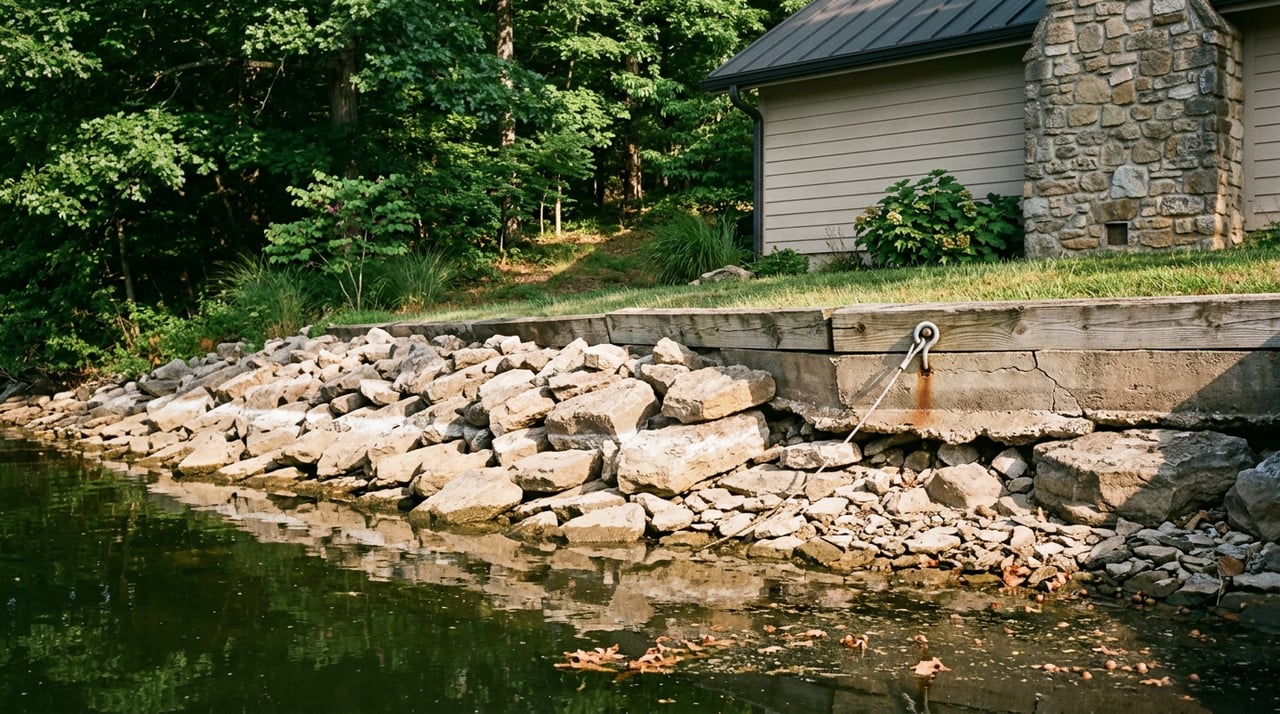
Docks, boathouses, and seawalls have unique maintenance needs and insurance considerations. In many condos, the association manages dock systems as common elements. In HOA neighborhoods, responsibility varies by development documents. Clarify ownership, repair obligations, and insurance coverage for any water-related structures tied to the property.
Rentals and community rules
Short-term rental policies
Lake Ozark has a strong second-home and vacation-rental market. Associations can set rental rules that affect your income potential and day-to-day experience. You will often see minimum rental terms, caps on the percentage of rentals, guest registration processes, and parking and noise rules. The city or county may also have licensing or occupancy tax requirements for short-term rentals. Verify all policies and recent changes directly with the association and local authorities before you buy.
Rules that affect lifestyle
Read the rules and regulations for details on pets, parking, docks and boat storage, quiet hours, and guest liability. Stricter condo rules may appeal if you value predictable shared spaces. More flexible HOA rules may suit you if you want greater control over your property and fewer shared-wall considerations.
Due diligence checklist for buyers
Before you remove contingencies, request and review:
- Recorded Declaration or CC&Rs, bylaws, rules and regulations, and all amendments
- Current budget and recent financial statements
- Reserve study and documentation of reserve funding levels
- Master insurance declarations, including deductibles and covered perils
- Board meeting minutes from the past 12 to 36 months
- List of pending or recent special assessments and capital projects
- Any resale disclosure or estoppel letter confirming dues status and delinquencies
- Management contract and contact information for the management company
- Written rental and short-term rental policies, plus any enforcement history
- Litigation history involving the association or developer
- For condos: inspection reports on shared systems such as roofs, elevators, decks, and docks
- Flood zone determination and recent elevation certificates if available
- Dock slip, parking, and storage assignment documentation when applicable
Professionals who can help you verify and interpret documents include a local real estate agent experienced with Lake of the Ozarks communities, a title company, a local lender with condo project experience, a home inspector familiar with lakefront structures, and an attorney for complex association issues.
Seller tips to get market-ready
If you are selling, a little preparation can smooth your timeline and protect your price:
- Gather association documents, financials, and required resale or estoppel certificates before you hit the market
- Clear any overdue dues or violations
- Tackle obvious deferred maintenance that could trigger buyer concerns
- For condos: outline parking and dock assignments, master insurance scope, and any recent or upcoming special assessments
- For HOA homes: highlight architectural review requirements, upcoming community projects, and any assessments on the horizon
How to choose what fits you
Prioritize maintenance vs. control
- Choose a condo if you prefer low-hassle exterior care and a building that plans for big projects through reserves.
- Choose an HOA home if you want more control over your lot and are comfortable managing exterior maintenance yourself.
Compare budget predictability
- Condos may feel more predictable month to month because dues cover many shared expenses, but special assessments can still appear if reserves lag.
- HOA homes can have lower dues but larger out-of-pocket spikes for roofs, siding, and systems.
Consider rental goals
- If you want short-term rental income, confirm that association and local rules support your plan. Some communities cap or restrict transient rentals, which can limit income potential but appeal to buyers seeking a quieter environment.
Check financing routes
- If you plan to use a specific loan program, find out early whether your preferred condo project meets lender criteria. If you need a smoother lending path, an HOA home can be simpler.
Next steps in Lake Ozark
- Get preapproved with a local lender who understands waterfront condos and HOA communities.
- Narrow your options by comparing documents and dues line by line.
- Order a flood zone check and request any available elevation certificates.
- Review reserve studies and board minutes before you remove your inspection and document contingencies.
- Line up a home inspector familiar with multi-unit buildings and lakefront systems.
If you want a sounding board as you compare neighborhoods, buildings, and budgets, I am here to help. Reach out to Amanda Greenwood to talk through your goals and see current listings that match your lifestyle. Schedule Your Lake Lifestyle Consultation and move forward with confidence.
FAQs
What is the main difference between an HOA home and a condo in Lake Ozark?
- A condo owner typically owns the interior of the unit and shares common elements, while an HOA home owner holds fee simple title to the house and lot and handles most exterior maintenance.
How do condo dues compare to HOA dues around the lake?
- Condo dues are often higher because they include exterior maintenance, master insurance, and reserves. HOA dues tend to be lower, with owners paying exterior costs directly.
Which is easier to finance in Lake Ozark, a condo or an HOA home?
- HOA single-family homes are usually easier because lenders treat them like detached homes. Condos must meet project eligibility standards that can limit loan options.
What insurance do I need for a condo vs. an HOA home near the water?
- Condo owners usually carry an HO-6 policy for interiors, personal property, and loss assessments. HOA home owners typically carry an HO-3 policy for the whole structure.
How do short-term rental rules affect buying at Lake of the Ozarks?
- Rules vary by association and local government. Verify minimum stays, caps, registration, and taxes if you plan to rent, since these directly affect income potential.